
A casino is much more than a place to gamble—it’s a world of curated fantasy, one where players are immersed in an experience that mirrors theatrical storytelling. From dramatic lighting to themed uniforms and carefully orchestrated floorplans, modern casinos use techniques lifted straight from the world of theatre to influence behaviour, evoke emotion, and extend player engagement. Just like a stage production, nothing is left to chance in a casino’s design—even when everything is built around chance itself. There’s a hidden script running in the background, drawing players in from the moment they enter. To explore this idea further from the theatre side, go to aussietheatre.com.au, where a behind-the-scenes look at stage production reveals how bold decisions, dramatic presentation, and risk-taking are central to any great performance—paralleling the calculated artistry behind every successful casino environment.
Staging the Scene: How Casino Architecture Mirrors Set Design
The first thing any theatregoer notices is the set—the world built to suspend disbelief. Casinos borrow heavily from this practice. Whether it’s a lavish Roman palace, a neon-lit futuristic city, or a rustic Wild West saloon, casinos are designed with narrative in mind. Every corner, ceiling height, colour palette, and material choice is deliberate. Like a good set designer, the casino architect builds not just a space, but a mood. That atmosphere is critical to keeping players immersed, relaxed, and open to prolonged play. The goal? To evoke escapism and luxury with every step.
From Dealers to Hosts: Staff as Cast Members in a Live Performance
In theatre, costumes define the role and presence of a character—before a single word is spoken. Casinos embrace this same philosophy with staff uniforms. Whether it’s elegant cocktail waitresses in sequins or blackjack dealers in sharp tuxedos, the attire reinforces a story. Staff members aren’t just employees—they’re actors in a living, breathing production designed to elevate the customer experience. Their performance, body language, and tone of voice are choreographed as carefully as any stage role to keep the illusion alive.
Movement and Flow: Directing the Audience Without a Script
Casino designers are masters of guiding player behaviour through spatial choreography. Think of how a director guides the audience’s eye across a stage—casino floorplans do the same. Paths are winding, entrances are strategic, and distractions are intentional. There are no clocks, few windows, and few natural breaks in the design. Players flow from one experience to the next in an orchestrated loop of engagement, much like scene changes in a theatrical performance that never truly ends.
Lights, Sound, Action: Sensory Drama to Enhance the Game
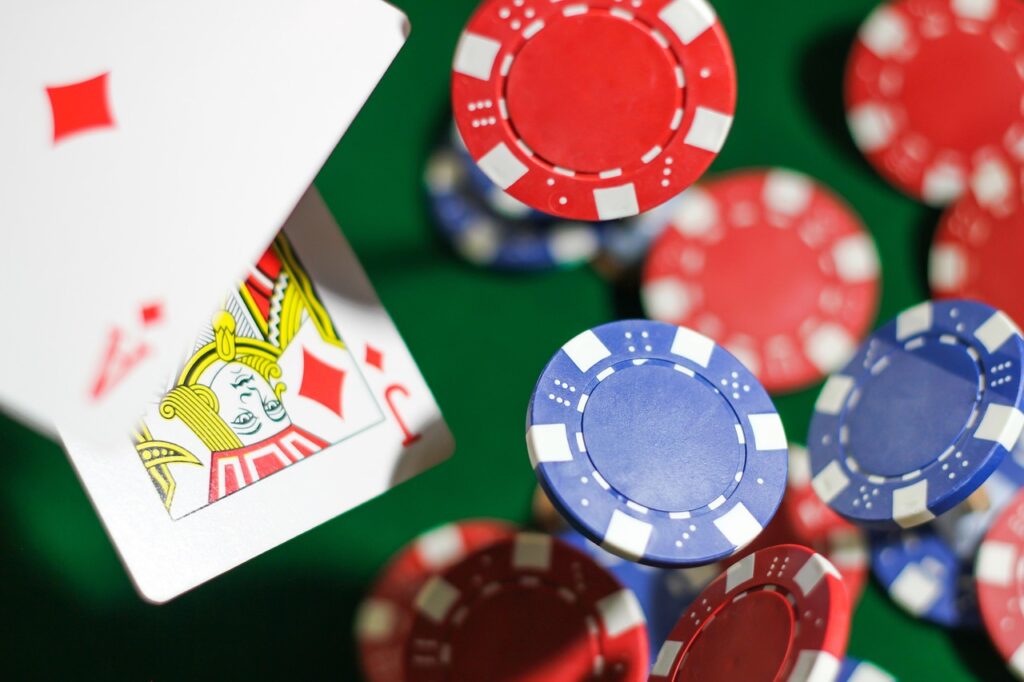
Slot machines that ring with joy, lighting that shifts to spotlight a jackpot win, celebratory sounds that echo through the room—these are theatre tricks repurposed to evoke emotion and anticipation. Casinos manipulate sound and light like stage directors use music and spotlight cues: to heighten tension, celebrate success, or signal dramatic beats. The result? Players feel like they’re part of a live-action spectacle, where something exciting is always just about to happen.
Conclusion: When Design Becomes a Performance
Theatre and casino design share more than surface-level showmanship—they both understand how space, atmosphere, and character can shape an experience. From costumed staff to theatrical lighting, from immersive environments to guided player movement, casino spaces are living stages. And whether you’re spinning reels or watching a curtain rise, you’re part of a performance carefully crafted to keep you engaged from start to finish.